
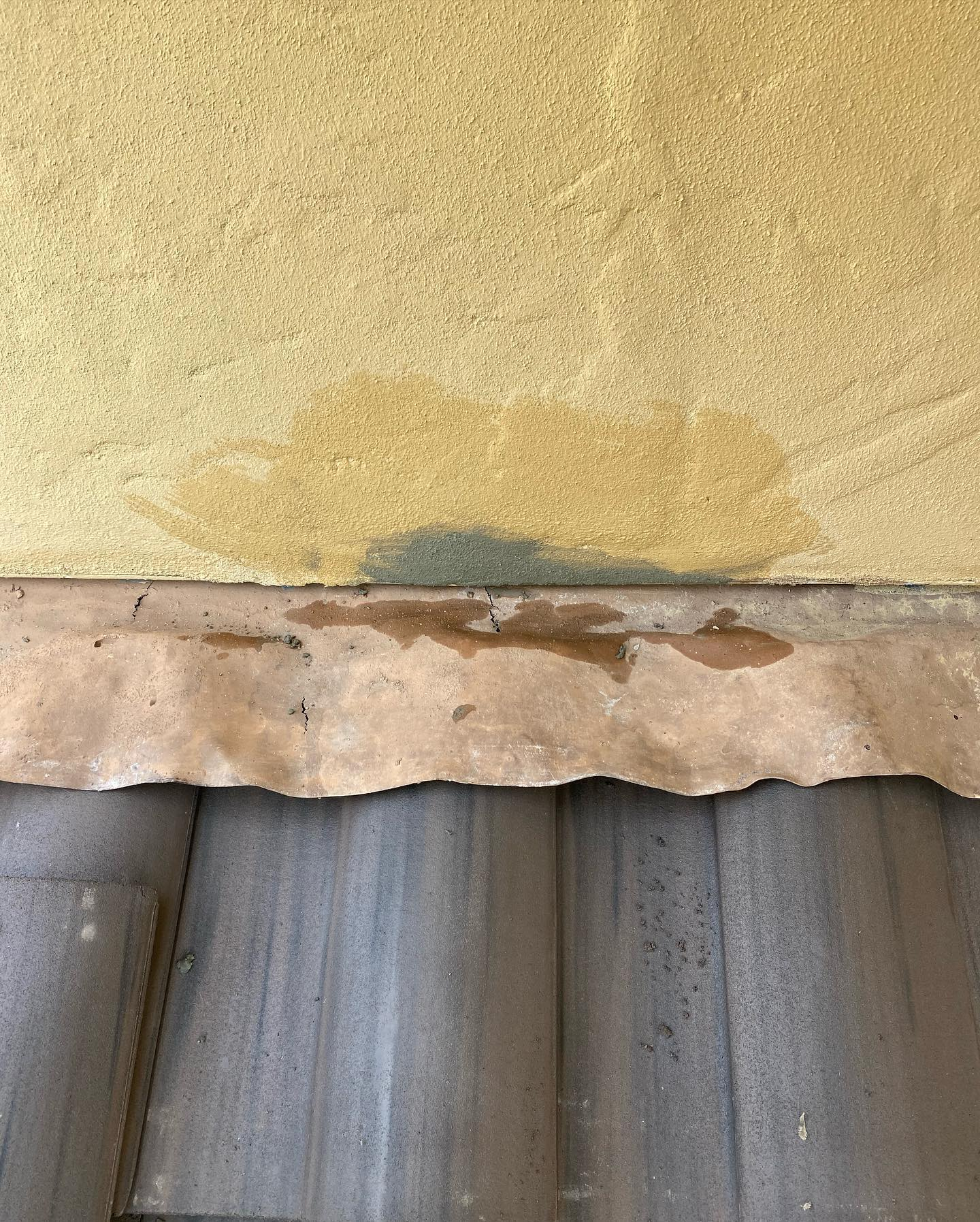
Stop Moisture Before It Reaches Your Framing
Water Intrusion Repair in Winter Park for stains, swelling, or mold growth traced to exterior wall failures
Sunshine State Stucco diagnoses and repairs water intrusion issues in Winter Park and the surrounding areas, working with homeowners who have noticed interior ceiling stains below roof-to-wall transitions, paint bubbling near windows, or drywall that feels soft to the touch along exterior walls. These symptoms indicate that water is bypassing the exterior cladding and reaching the framing, insulation, or interior finish, often due to failed sealants, missing or improperly installed flashing, or cracks in the stucco itself.
The repair process starts with identifying the entry point through visual inspection, moisture meter readings, and sometimes water testing where a controlled spray is applied to suspect areas while monitoring for interior penetration. Once the source is confirmed, the damaged stucco is removed to expose the underlying weather barrier and framing, any wet or compromised materials are replaced, and new flashing or sealant is installed to redirect water away from vulnerable transitions. Fresh stucco is then applied in layers to match the existing texture and thickness, and all joints and penetrations are sealed with materials that remain flexible through temperature swings and UV exposure.
If you're seeing signs of water damage inside your home and suspect the exterior walls, contact us to schedule a diagnostic assessment and receive a repair plan that addresses both the symptom and the underlying cause.
What Happens During a Water Intrusion Investigation
You'll start with a walkthrough where visible signs such as efflorescence, cracking, discoloration, or gaps around windows and trim are documented, followed by moisture readings taken at suspected entry points and adjacent areas. Flashing at roof step-downs, deck ledger connections, and window head joints are common failure points in Florida homes, especially where original installation did not include proper laps, kickouts, or end dams. Testing confirms whether water is entering through the stucco surface itself or through transitions and penetrations, which determines the scope and method of repair.
After the repair is completed, you'll notice that interior stains stop spreading, the musty smell near affected walls dissipates, and moisture meter readings return to normal levels during follow-up checks. Sunshine State Stucco removes only the stucco and substrate necessary to access and correct the problem, then rebuilds the wall assembly with proper sequencing of weather-resistant barriers, flashing, and finish coats to restore both protection and appearance.
The service includes stucco removal and replacement, flashing and sealant installation, and coordination with any necessary framing or sheathing repairs, but does not include interior drywall, paint, or mold remediation, which are handled by separate trades once the exterior is made watertight.
What You Need to Know About Water Intrusion
These questions come up regularly during inspections and repair consultations throughout the Winter Park service area.
What causes water to get behind stucco?
Water enters through cracks in the stucco, gaps at windows and doors, missing or damaged flashing, or improperly sealed penetrations such as light fixtures, vents, and utility lines that allow water to bypass the weather barrier.
How do you find the exact entry point?
Moisture meters identify wet areas inside the wall, visual inspection reveals likely failure points, and controlled water testing isolates the specific location where water penetrates the exterior assembly.
When should water intrusion be repaired?
Repairs should begin as soon as interior signs such as staining, soft drywall, or musty odors are noticed, because ongoing moisture exposure leads to wood rot, insulation breakdown, and mold growth that increase repair costs and health risks.
Why does flashing fail in Florida homes?
Flashing can corrode in coastal environments, pull away from fasteners during building movement, or be absent altogether if the original installation did not follow updated building codes or manufacturer guidelines for stucco applications.
How is the stucco texture matched after repair?
The finish coat is troweled, dashed, or sprayed to replicate the surrounding texture, and once cured, the repaired area is painted or tinted to blend with the existing color, making the patch nearly invisible after weathering.
When you're ready to protect your home from further water damage and restore the integrity of your exterior walls, reach out to Sunshine State Stucco for a thorough evaluation and a detailed repair estimate based on the findings.